Free shipping on orders $150+·COA on every batch·Ships in 1 business day
Peptide Stacks
Curated compound combinations from published research. Each stack links to its primary literature. For laboratory research use only — not prescriptive.
Recovery Stack
Tissue repair & angiogenesis research
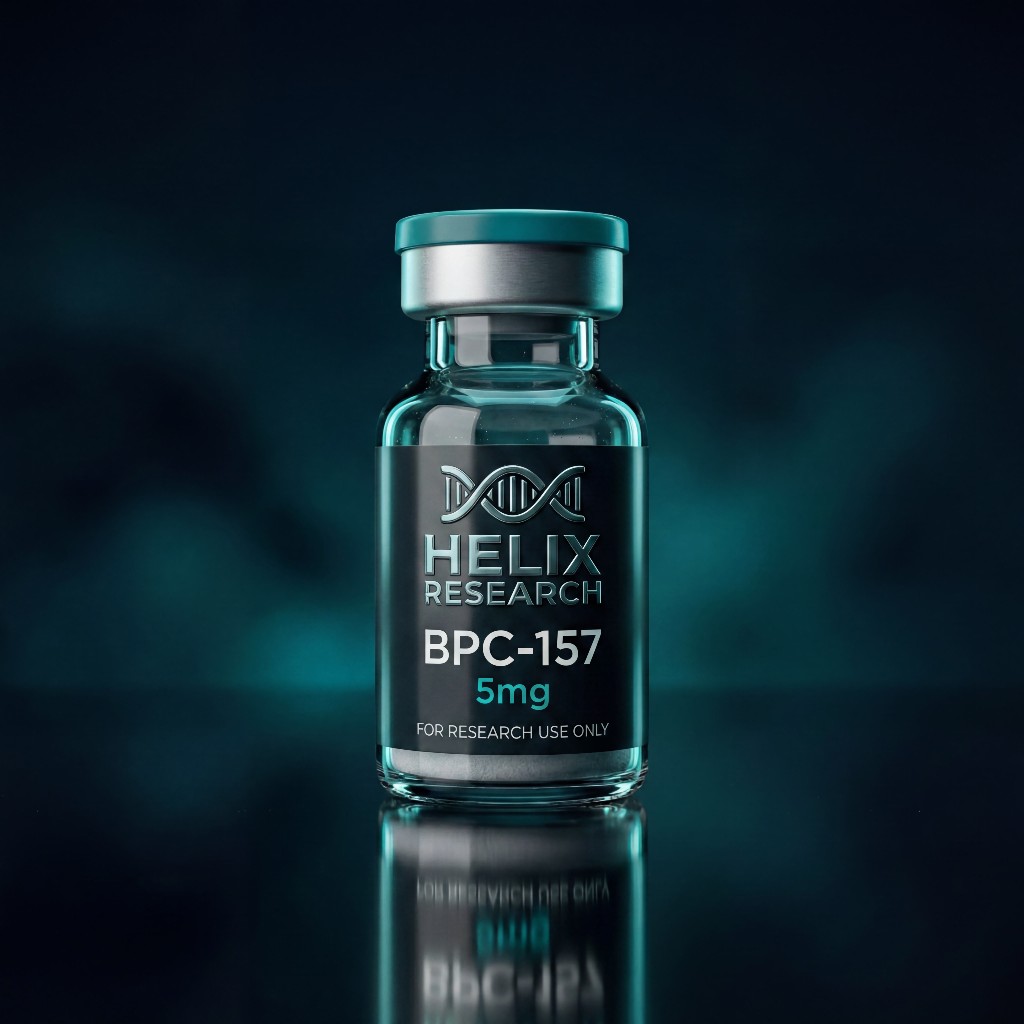
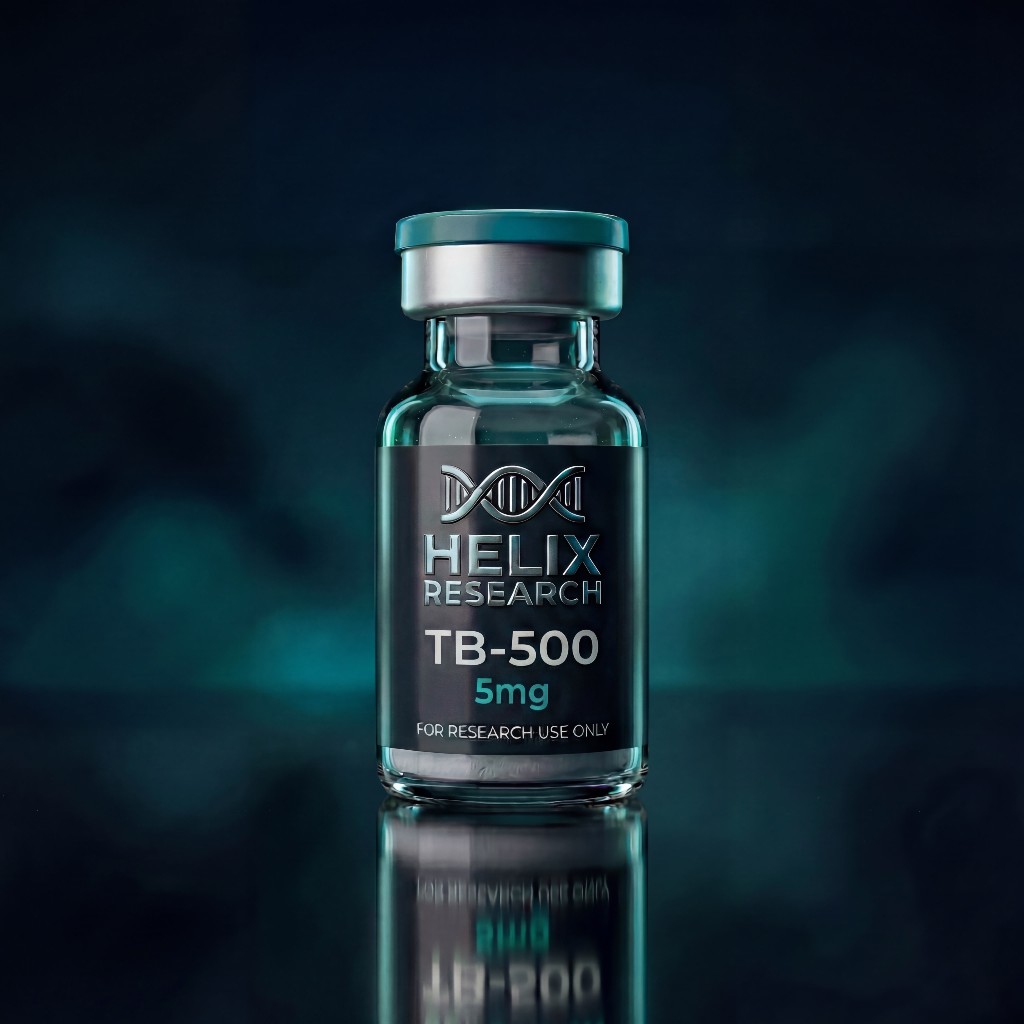
BPC-157 and TB-500 are among the most extensively co-studied peptides in tissue repair models. BPC-157 targets local angiogenesis and collagen organization; TB-500 (Thymosin β4) mobilizes systemic repair cells. Used together in multiple published rodent models of tendon and muscle injury.
Cognitive Stack
Neuropeptide combination research
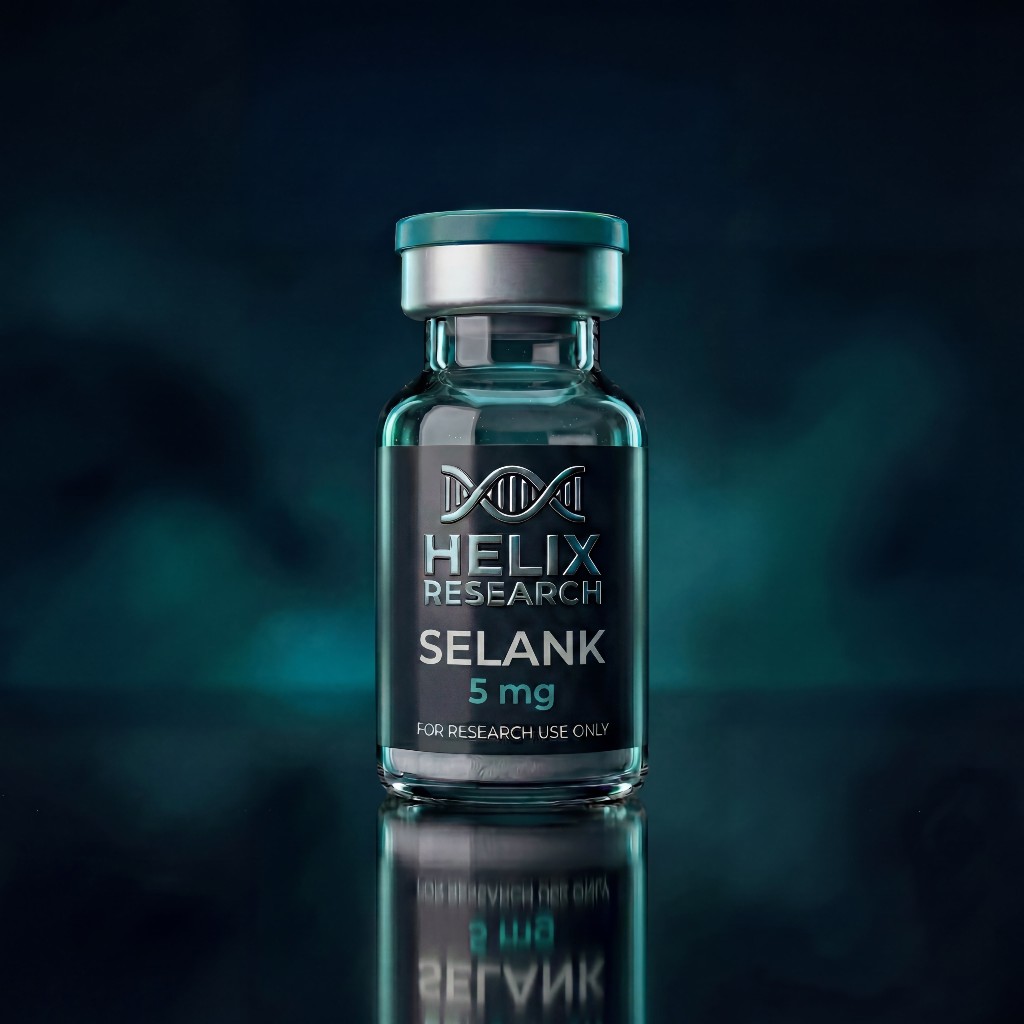
Semax (ACTH analog fragment) and Selank (tuftsin analog) are both synthetic neuropeptides developed from Soviet/Russian research programs. Semax upregulates BDNF and NGF; Selank shows anxiolytic properties through modulation of GABA-A receptor and enkephalinase inhibition.
Longevity Stack
Cellular aging & mitochondrial research
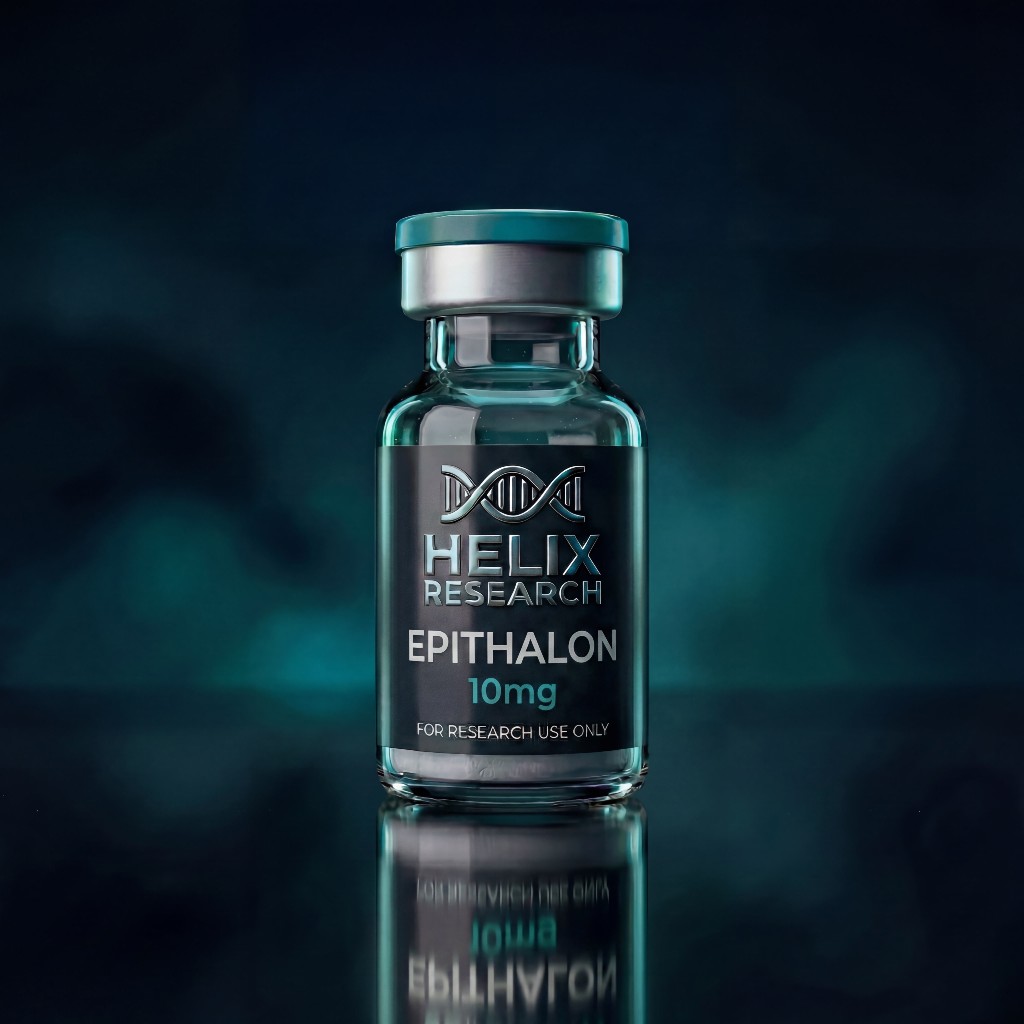
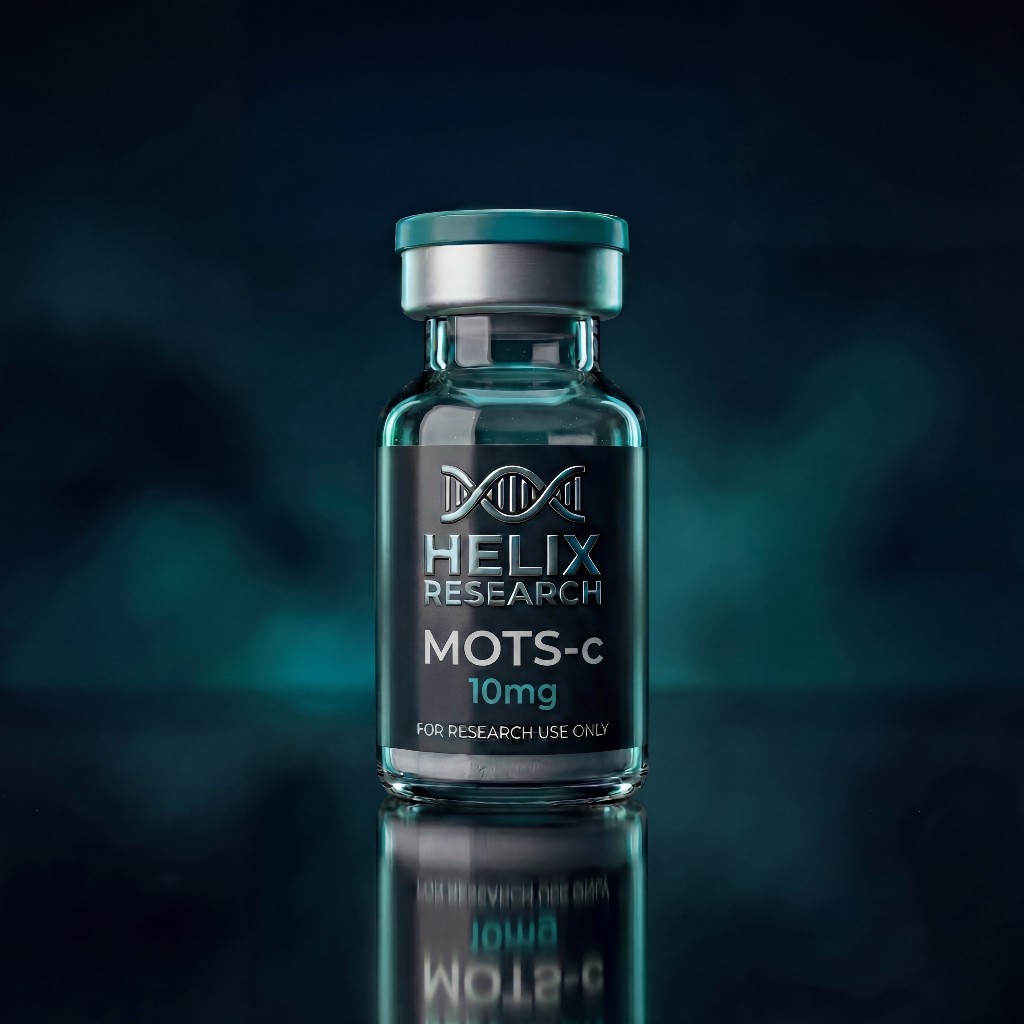
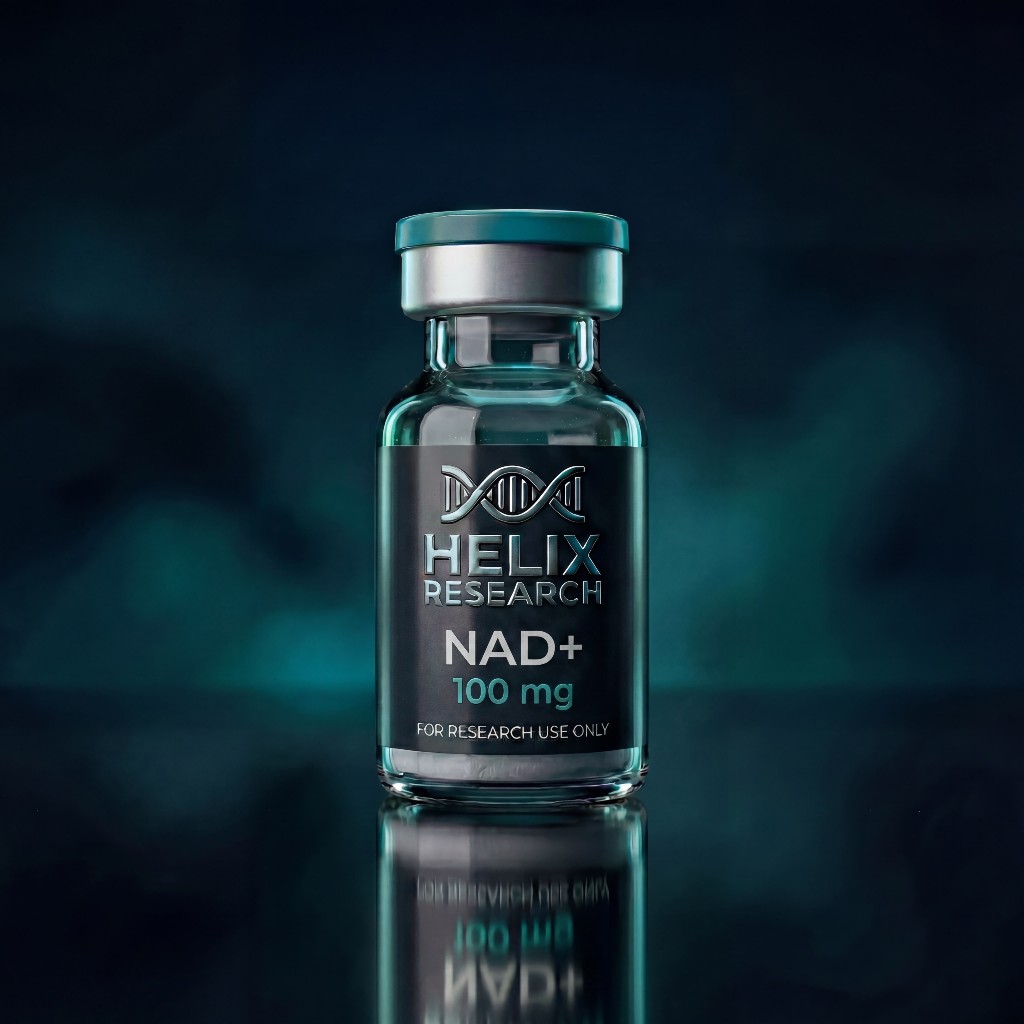
A research combination targeting multiple aging hallmarks: Epithalon activates telomerase and extends mean lifespan in rodent models; MOTS-c is a mitochondria-derived peptide that regulates glucose metabolism via AMPK; NAD+ supplementation restores mitochondrial NAD+/NADH ratio in aging tissue.
Dermal Research Stack
Extracellular matrix & collagen synthesis
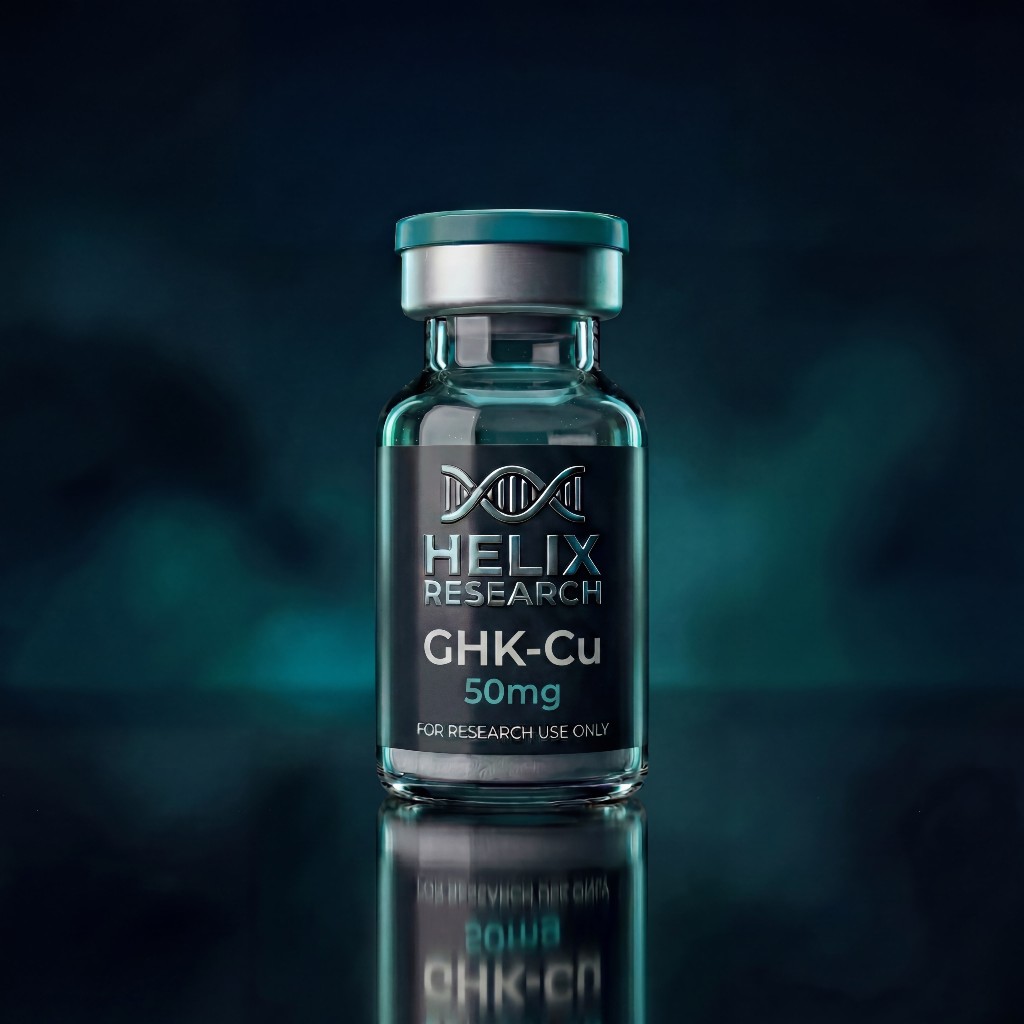
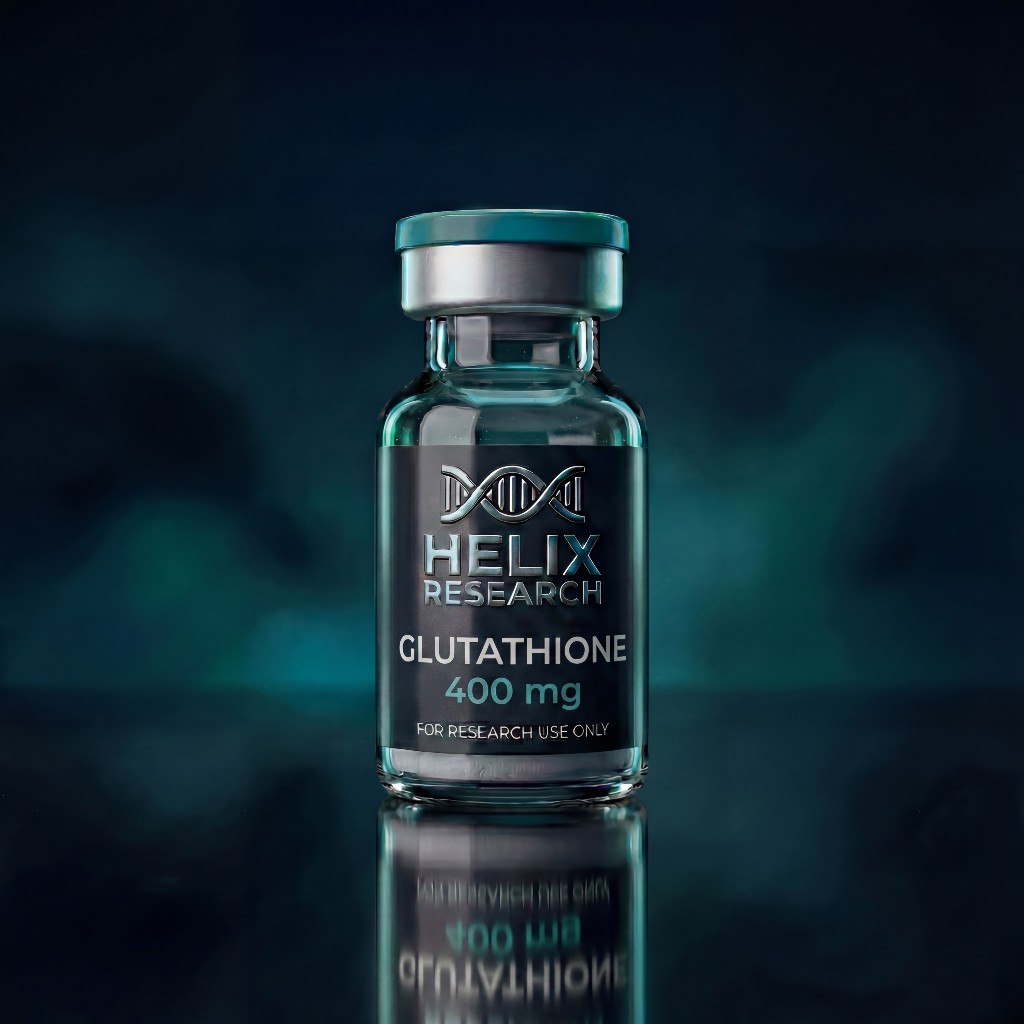
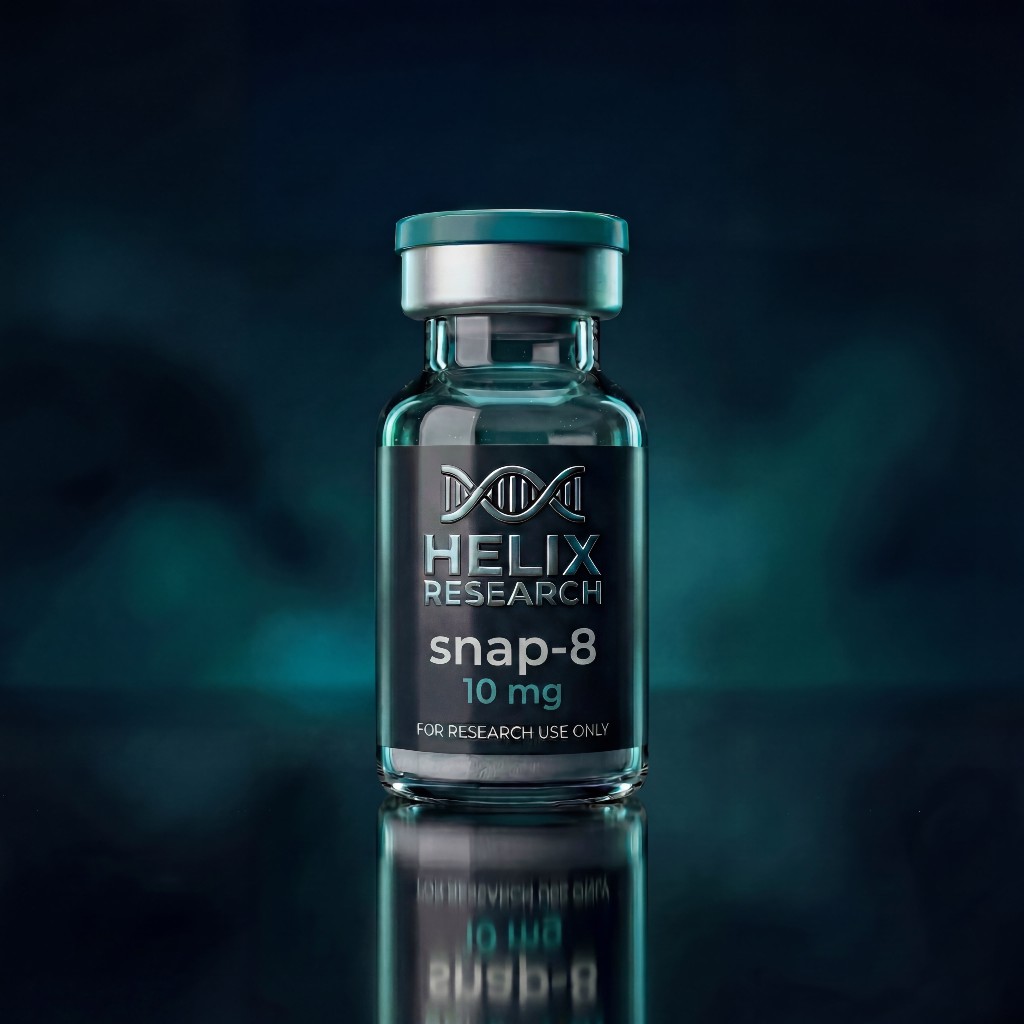
GHK-Cu stimulates collagen synthesis and fibroblast proliferation; Glutathione is the primary intracellular antioxidant studied in skin photoprotection models; Snap-8 (acetyl octapeptide-3) competitively inhibits SNAP-25 in SNARE complex assembly — used in wrinkle-depth reduction studies.
Mitochondrial Stack
Oxidative stress & energy metabolism research
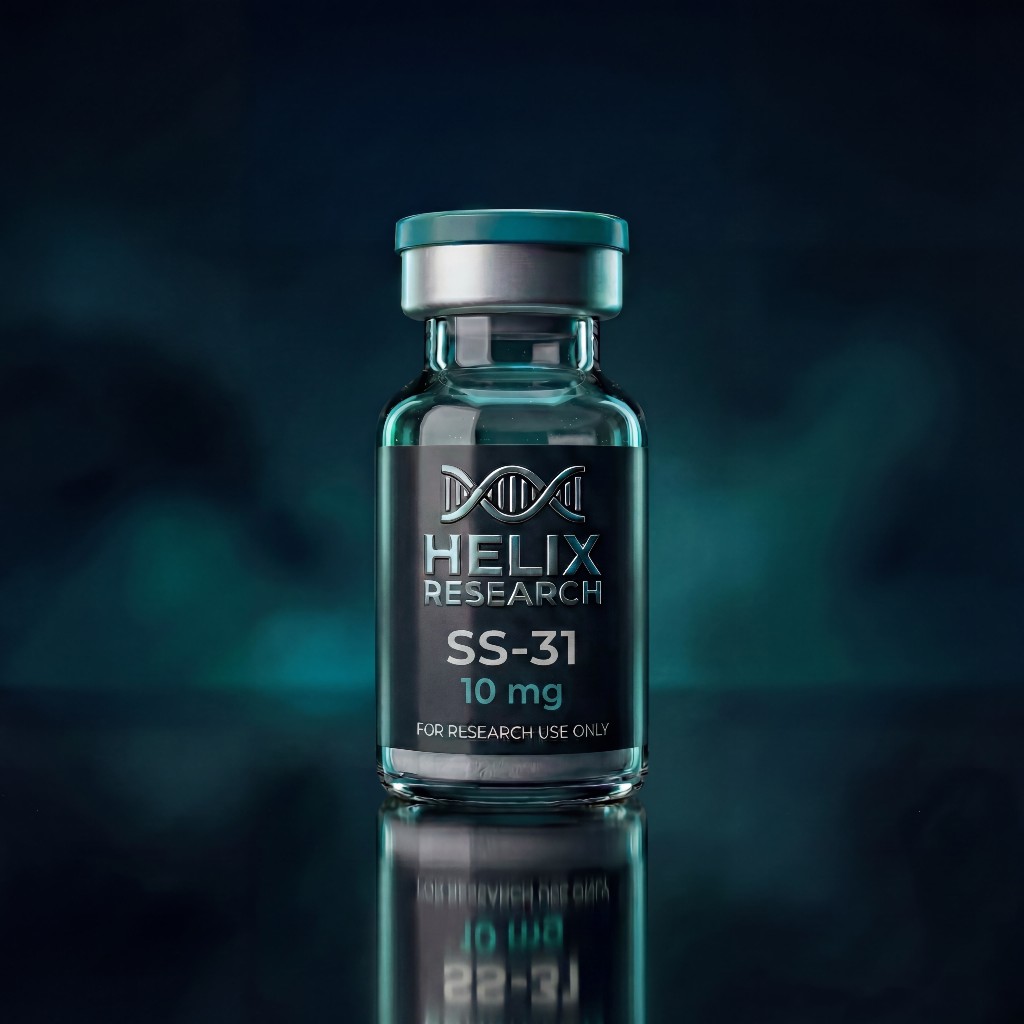
SS-31 (Elamipretide) concentrates at the inner mitochondrial membrane, reducing cardiolipin oxidation and restoring ATP synthase efficiency; MOTS-c activates AMPK in response to metabolic stress; NAD+ is the essential cofactor for SIRT1/SIRT3 deacetylase activity. Used together in aging and IR-injury models.
Custom Stack Builder
Select compounds above to build your research stack.
Research use only. All compounds are supplied for laboratory research. Not for human consumption. Always comply with institutional and jurisdictional regulations.